
Jim Schuyler
Kennett Square PA Special Edition
To VACAP Leadership and Friends:
I had the good fortune to travel to Kennett Square, PA on holiday earlier this month. This little town in the picturesque Brandywine Valley in southern Chester County PA is about one square mile with a diverse population of about 6000, 25 miles southwest of Philadelphia PA (about a one-hour drive) and 20 miles northwest of Wilmington DE (about a half-hour drive). You could call it an “exurb” but it doesn’t quite fit the definition as “a region beyond the suburbs that is not highly developed and where rich people often live”. Maybe it is best to just call it a town or borough. The surrounding area population is about 15,000.
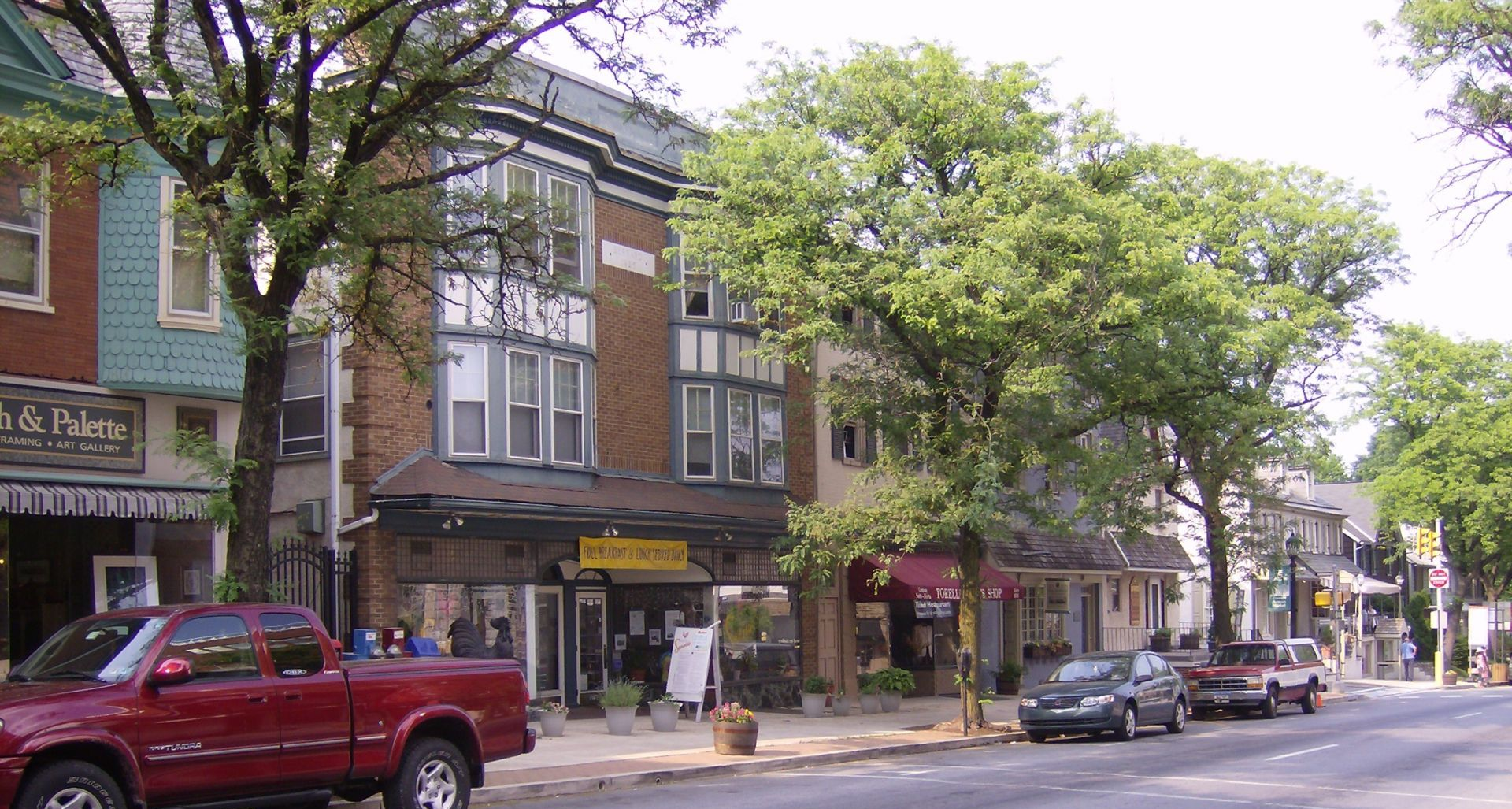
Kennett Square was voted “Best Suburban Shopping Destination 2019” by Philadelphia Magazine and is home to dozens of unique, locally-owned small businesses and award-winning restaurants. Kennett Square is also three miles to Longwood Gardens, a renowned tourist site in almost all seasons. The area is rich in history, culture and natural beauty. Visitors enjoy visiting the Brandywine River Museum in the adjacent community of Chadds Ford (showcasing the work of long-time resident Andrew Wyeth and his family) and the Brandywine Battlefield, also in Chadds Ford, which preserves and interprets the largest single-day battle of the American Revolution.
So why does the Weekly Reader feel that Kennett Square deserves a special edition and why should you be interested in this little town? The newly-named and soon to be rebranded Kennett Collaborative (which for over 20 years served as Historic Kennett Square, the Main Street organization for the Borough of Kennett Square) says it best:
Here is their new mission statement:
“Kennett Collaborative makes Kennett thrive. We intentionally create programs and events that help Kennett become a more beautiful and welcoming community where all can belong and prosper.”
Here is the language they use to talk about what they do: “We long to see Kennett Square become the most beautiful town in America, where people from different backgrounds, generations and walks of life are welcome and can afford to live and contribute to the community, where new architecture complements old, where creativity flourishes, and where everyone can belong and prosper.”
In short, for those of you who are aware of the Apple TV+ musical comedy which premiered this year, Kennett Square aspires to be SCHMIGADOON!, the magical town filled with singing and dancing townspeople where you can’t leave without finding true love.
OK, let me be serious. I think there may be some lessons learned, particularly for small towns in Virginia that may be near larger urban and suburban areas, and I think it starts with “intentionality”. All of Virginia’s smaller communities have something of interest that appeals to visitors and tourists as well as those who today can live anywhere and work remotely.
But have all of Virginia’s small towns successfully supported a thriving “downtown” of about three square blocks that I believe did not lose a single small retail or restaurant business downtown during the Covid pandemic?
How did Kennett do this?
* Historic Kennett Square (the former name of Kennett Collaborative) has served as the Main Street organization for Kennett Square for over twenty years. It was founded to breathe new life into the historic but economically depressed downtown and focused on four key areas to guide growth: economic vitality, design, organization and promotion. They have been quite successful across all of these areas.
Historic Kennett Square launched the Small Business Response Fund on May 27, 2020 to assist small, consumer-facing retail businesses in the form of grants up to $10,000. They worked with Square Roots Collective who provided a match of every dollar donated to the Fund up to $250,000. Square Roots Collective is a collection of social enterprises that include for-profit businesses, non-profit ventures, formal and informal partnerships and associations with like-minded organizations, all united by a commitment to the holistic thriving of Kennett Square. Historic Kennett Square’s Economic Development Director said, “We’ve been watching what other communities are doing in response to the crisis, and what’s unique here is the matching element, mobilizing community generosity and involvement.” All donations are tax-deductible and the funds are intended to fill the gaps for all qualifying businesses. Bilingual materials and outreach are designed to ensure that Latinx businesses receive the help they need as well.” Applications were accepted in both English and Spanish, and technical assistance was available in both languages. The success of the program depended entirely on community support. The SBRF raised $267,800 and distributed grants to 61 small consumer-facing businesses in Kennett Square Borough and Kennett Square Township. These included funds for Covid-proofing measures to equipment for creatively pivoting their business models, air purifying systems, façade improvements, payroll and rent. Historic Kennett Square Executive Director Bo Wright said, “we knew the various forms of state and federal aid being made available were not going to be enough, or even the right fit, for every business here in Kennett. Nearly 300 different individuals, foundations and corporate donors gave contributions from $10 to $10,000 and more. One of the questions on the donation form asked for the name of a favorite small business in Kennett”. Wright said, “Most of the answers were some form of ‘We love them all and our town wouldn’t be the same without them’. Longtime residents as well as newcomers all spoke of the love for the town, and the small businesses that help to make it such a distinctive and vibrant community. One person who grew up here, travelled, and now lives in a city talked about how these experiences gave her the perspective to understand just how special Kennett is. Most people seem to share the sentiment that what we have here is unique, this sense of community and the desire to support each other through hard times, and the business community is a big part of it.” Historic Kennett Square’s Economic Development Director Nate Echeverria who administered the fund and set up a committee to review the applications said, “A guiding principle of the SBRF was to promote a more equitable recovery in our community. That meant working strategically to ensure that resources from this pandemic response were able to historically disadvantaged groups as well as identifying and addressing traditional barriers to inclusion. A full 74 percent of businesses receiving SBRF grants are women or minority owned, and 62 percent of businesses are household sustaining. Nearly 40 percent of them reported lost revenue over 50 percent and the 61 business receiving grants employ 407 people.”
Historic Kennett Square launched the Small Business Response Fund on May 27, 2020 to assist small, consumer-facing retail businesses in the form of grants up to $10,000. They worked with Square Roots Collective who provided a match of every dollar donated to the Fund up to $250,000. Square Roots Collective is a collection of social enterprises that include for-profit businesses, non-profit ventures, formal and informal partnerships and associations with like-minded organizations, all united by a commitment to the holistic thriving of Kennett Square. Historic Kennett Square’s Economic Development Director said, “We’ve been watching what other communities are doing in response to the crisis, and what’s unique here is the matching element, mobilizing community generosity and involvement.” All donations are tax-deductible and the funds are intended to fill the gaps for all qualifying businesses. Bilingual materials and outreach are designed to ensure that Latinx businesses receive the help they need as well.” Applications were accepted in both English and Spanish, and technical assistance was available in both languages. The success of the program depended entirely on community support. The SBRF raised $267,800 and distributed grants to 61 small consumer-facing businesses in Kennett Square Borough and Kennett Square Township. These included funds for Covid-proofing measures to equipment for creatively pivoting their business models, air purifying systems, façade improvements, payroll and rent. Historic Kennett Square Executive Director Bo Wright said, “we knew the various forms of state and federal aid being made available were not going to be enough, or even the right fit, for every business here in Kennett. Nearly 300 different individuals, foundations and corporate donors gave contributions from $10 to $10,000 and more. One of the questions on the donation form asked for the name of a favorite small business in Kennett”. Wright said, “Most of the answers were some form of ‘We love them all and our town wouldn’t be the same without them’. Longtime residents as well as newcomers all spoke of the love for the town, and the small businesses that help to make it such a distinctive and vibrant community. One person who grew up here, travelled, and now lives in a city talked about how these experiences gave her the perspective to understand just how special Kennett is. Most people seem to share the sentiment that what we have here is unique, this sense of community and the desire to support each other through hard times, and the business community is a big part of it.” Historic Kennett Square’s Economic Development Director Nate Echeverria who administered the fund and set up a committee to review the applications said, “A guiding principle of the SBRF was to promote a more equitable recovery in our community. That meant working strategically to ensure that resources from this pandemic response were able to historically disadvantaged groups as well as identifying and addressing traditional barriers to inclusion. A full 74 percent of businesses receiving SBRF grants are women or minority owned, and 62 percent of businesses are household sustaining. Nearly 40 percent of them reported lost revenue over 50 percent and the 61 business receiving grants employ 407 people.”
What else does Historic Kennett Square do? They love helping new businesses come to Kennett Square. They provide resources on their website and are happy to answer questions by phone, in person or by e-mail.
Here is their welcome to new businesses: Kennett Square is the mushroom capital of the world (producing 40% of the nation’s mushroom crop) and is the home of numerous festivals, parades and special events throughout the year. These events are all crafted not only to raise community pride but to attract thousands of visitors and consumers to the town. The Mushroom Festival is an annual two-day event that can reach over 100,000 visitors over the two-day Street Fair. It is a family event and is a mile-long event through Kennett Square. Attendees generally come from the quad-state region of Pennsylvania, New Jersey, Delaware and Maryland, with an increase in visitation from the Philadelphia, Baltimore and Washington DC regions. It is advertised on a local, regional and national level. To date, the Festival has awarded more than $1.1 million to local non-profits and supported research on the health benefits of mushrooms. The Festival highlights the businesses and groups that support the community, including the mushroom farms which employ so many, as well as the business and restaurants that support the town. Kennett Square is also the smallest town with its own symphony orchestra which is supported by the Kennett Square community.
The town offers business opportunities for frequent visitors, with a population base with an average household income more than $20,000 above the national average and assistance in all facets of opening a business. This includes helping a new business find the perfect office/retail space, ensuring compliance with any applicable building codes and offering business cooperative advertising and marketing opportunities. The local Kennett Square government, including the Borough Council, Borough Manager and Mayor, are all committed to making Kennett Square business-friendly.
I can vouch for the Mayor—we met him during our stay--he is a major real estate agent in the community, and lives in a large Victorian house right at the entrance to the town. We rented an apartment in a carriage house which he manages next to his own home (there are three apartments with separate entrances in the carriage house and he is planning to convert his home’s outbuildings into additional AirBnB/VRBO apartments for rent). All three apartments were occupied during the week we spent at Kennett.
Historic Kennett Square organizes many programs and events: The Kennett Square Farmers Market is a year-round market of local growers and producers, and was taking orders for Thanksgiving turkeys while we were there. Thursdays on State Street (a monthly event closing the main street to traffic for outdoor dining with live music and activities) now provides outdoor dining options every Thursday evening (weather permitting) with many restaurants offering waiter service dining at tables on the street.
In July 2020, Historic Kennett Square built and opened its first-ever parklet on State Street downtown. Parklets provide additional outdoor spaces for recreation and dining. This parklet provides an accessible outdoor dining experience for customers of four different businesses. The parklet converted curbside parking spots into a vibrant community space and allowed for socially distanced outdoor dining for Lily and Grain for both lunch and dinner service, and space for Talula’s Table and Philter customers from 7am to 11pm. The parklet received municipal support and outside grant funding as well as significant volunteer time and effort. The parklet would not have happened with the Mayor’s Emergency Declaration and the support of the Borough Manager and Codes Enforcement Officer. The parklet was received very positively by community members—it generated a buzz of excitement and built something tangible to help their businesses and tell a great story of community care and support. Beautiful planters built by a local business and plantings designed by a local garden design firm made this a true “by the community for the community” effort. The community already had a large garage at the entrance to town, so losing a few curbside parking spaces was well worth what they gained.
In June, 2021, Historic Kennett Square built another place to meet—“The Greenhouse”—a new parklet outside Square Pear Gallery. Parklet patrons will find flexible and shaded seating options tucked into a beautiful herbaceous surround. “Let’s meet at the parklet” has become a new phrase as friends and family gather safely with coffee and a treat from one of the coffeehouses, ice cream from Michoacana or take-out from any of the great restaurants, or sit and read a book from the Library or Kennett Bookhouse, or simply watch the world go by. The parklet is for everyone and is overflowing with plants. The slanted roof protects visitors in wet weather, and the plants are watered in part by the runoff from the rain on the slanted roof. Creative placemaking projects like the two parklets cultivate a sense of place as they engage people through the power of the arts. The location of the Greenhouse is strategic—next to the art gallery, artist studios, a voice teacher and photographer as well as the offices of the Kennett Symphony. Square Pear Gallery is an anchor sponsor for the project along with Longwood Gardens. HKS Executive Director Bo Wright said, “Fun and temporary solutions to meet needs or overcome barriers in the community—in this case, a need for outdoor seating and gathering space—help expand people’s perceptions about public space.”
The principles of placemaking have been gradually taking root in Kennett for a number of years. When HKS started Third Thursdays a number of years ago, it was difficult for residents to envision State Street as a space for people, without traffic. But the success of those events paved the way for weekly street closures for outdoor dining during the pandemic and for the State Street parklet built in 2020. The parklet was used every day by an intergenerational mix of residents and visitors. People were seeking safe outdoor spaces to meet one another—some of whom were meeting at the parklet for the first time after months of quarantine and isolation.
Kennett Blooms is a new initiative to support local businesses during the season of Covid recovery which focuses on installing professionally-designed planters, gardenscapes, parklets for outdoor dining and other placemaking projects. Kennett Blooms is supported by many business sponsors as well as community members.
As part of Historic Kennett Square’s “Meet Our Merchants”, I think it is most important to feature one of their most successful small business owners: Noelia Scharon of La Michoacana Ice Cream. But first you need to know that the population of Kennett Square is about 45% White, 49% Latino and 4% Black. Local mushroom farm workers are primarily Latino, many from Mexico and Guatemala. LCH Health and Community Services officers specialized and primary care In Kennett and surrounding areas and their staff speak English and Spanish. Covid vaccines were brought directly to Chester County mushroom farms and its 9000 workers. The American Mushroom Institute spent months collaborating with mushroom farms, the state Departments of Health and Agriculture and LCH Health and Community Services. When they determined that most workers wanted the shot as soon as it became available, they brought the vaccines directly to mushroom farms. As the Director of Develop at LCH said, “It’s right there at work and it’s in a trusted place where Spanish is spoken and they don’t have to take off any time from work.” LCH focused on vaccinating those people who use LCH as their health care provider. LCH has continued to work to inoculate those hard-to-reach people in the country.
OK, back to the Michoacana story. Noelia Scharon was born in Puerto Rico and came with her parents and siblings to West Chester PA when she was 13. She embraced a new culture and language. She married at 15, and by 21 was divorced with three children. She raised her sons while working two jobs, including one at a mushroom company. She bought her house in Kennett Square, and managed to earn her GED along the way.
On a trip to Michoacan, Mexico with friends in 2002, she fell in love with ice cream in its sweet, tropical and distinctively Latino form. She asked the owners of a shop called La Michoacana to teach her how to make it. She returned to Kennett with the expertise and the necessary equipment and 15 recipes. The shop owners only asked that she name her shop after theirs, to promote Michoacan as the best ice cream (people from Mexico already know that it is the best). Together with three partners, Scharon seized this opportunity. The growing business today includes wholesale, more products including handcrafted popsicles and water ice, and new flavors every summer. La Michoacana features 36 flavors daily, rotating from a list of over 100.
Scharon credits her success to being in the heart of Kennett Square—our location is perfect, she says. She is also grateful for the support of local businesses, including restaurants that send their guests to her store for dessert.
In 2011, the partners opened Michoacan Grill. The late Thomas Macaluso (owner of a rare and used bookstore which was one of the finest I ever shopped in) owned a building at the corner of Union and Cypress Streets. Macaluso knew that the partners dreamed of owning a taqueria and wanted the Michoacana team to have first refusal on buying the building he owned near his bookstore. The grill offers fresh and authentic Mexican food and is quite popular today. Scharon and her nephew opened Tropical Homemade Ice Cream in 2016 in West Chester PA.
Scharon closes her ice cream shop each October and she heads to her condo in Florida. She spends time with her son Tito and visits ice cream shops “to make sure our ice cream is still the best anywhere and to scout ideas for new flavors”. Then she returns in the spring where ice cream is made on the premises from early morning to past midnight. Her renowned and award-winning ice cream is favored by celebrities, connoisseurs and at least one President—Joseph Biden—who knows the Kennett Square community quite well (a short distance from his home in Wilmington, Delaware).
Finally, what about the future for Kennett Square and Kennett Collaborative?—The primary audience for the Collaborative is local citizens who want to know how to engage in and support the community. They found a tremendous amount of social capital in Kennett, as evidenced by the success of their fundraising initiatives last year. They want to harness that engagement and expand their work through a fundraising membership program. The role that they will have in the new chapter of growth of the town and the organization is to provide thought leadership and strategic direction in the areas of economic development and sustainable growth and continuing, through events and placemaking initiatives, to create the kind of place where people of every age and background love to live, work and play. A subset of the primary audience is the Latinx community within Kennett—a diverse and engaged audience that they are working to truly engage, building on some progress they made in the past year. Their secondary audience are potential business sponsors including Latinx business owners. Their third audience are people who want to visit the area and find out what there is to do and see in Kennett and where they can dine and shop. For example, they want the Longwood Gardens guest to come to Kennett before or after their visit to shop and dine.
Their latest project—Kennett Placemakers Competition—A competition to make Kennett more livable and lovable. It is sponsored by HKS and Square Roots Collective and invites creative people from every generation, background and profession to pitch an idea that, if physically implemented in the Borough of Kennett Square, would make it a better place for people. Once you have dreamed up a project, you need to think about what resources you may need—volunteers, skills, materials, space—and the budget is $1000 and you would have seven months to complete the project. Projects were submitted by October 22 and HKS will choose three projects from all adult entries. The individuals/teams will present their ideas to a live audience at a speakers series event How We Build Matters on November 11. The audience will vote for their favorite project and the winner will receive $1000 to implement their project. With guidance from HKS, all necessary permits must be applied for by the winner and approved by the Borough before implementation. HKS will guide the winner to secure necessary approvals and assist as needed through the project’s implementation. The design and target location must be specified; the space created must be safe for all ages; the project must function unattended; and the project must be feasible to implement by June 1, 2022. HKS will hold the prize money to pay for the cost of implementation.
The Placemakers Competition includes a youth competition for creative young people 12 to 18. Similar rules apply and all contestants under 18 must have a supervising adult associated with the project.
How We Build Matters is an inaugural Kennett Square speaker series that is bringing nationally-known experts to talk about building a sustainable, equitable community in Kennett Square. HKS Executive Director Bo Wright said, “Kennett Square is at a pivotal moment in its development, and how we build matters. It’s important to proceed thoughtfully, to maintain the historic character and social cohesion that make Kennett Square unique. We have an exciting opportunity to build a kind of model community—a beautiful and sustainable community where every citizen can belong and prosper.” Wright was the first speaker on September 28, and he set the context for the series. He worked at Strong Towns, an organization that supports people advocating for smart, sustainable growth in towns and cities across the US and Canada.
The next speaker on November 11 is Detroit architect, urban designer, and small-scale developer Marques G. King. He is Managing Principal of Fabric(K) Design, which strives to help people through contextual, sustainable and people-centric design.
What else is being planned? The Kennett Greenway will consist of 14+ miles of continuous, accessible trails, involve five municipalities in two states (PA and DE), provide 1500+ acres of open space, 10+ parks and preserves. The partners include Kennett Township, Square Roots Collective, Kennett Area YMCA, The Land Conservancy for Southern Chester County, and Kennett Trails Alliance. The Goal of the Kennett Area Regional Trails Committee is to coordinate the planning, development, implementation and maintenance of trails and sidewalks across local municipalities. The Kennett Greenway is integral to the network and serves as a bicycle and pedestrian circulator throughout the area to which other trails and paths can connect.
The Reader has been focused on new opportunities for many months, and has focused on funding and projects coming from the federal and state government. Kennett Square’s experience shows that local leadership with a supportive local government and an anchor institution like Historic Kennett Square can lead and accomplish results quickly and with community input. I hope this week’s special Reader gives you some ideas that you could pitch or lead in your own communities. The business community, local government and community leader collaboration in Kennett Square was very encouraging to me. It may not be Schmigadoon—but it looks like a wonderful place to live, work and play. And the positive focus is on the community and region’s future. I hope you found some idea here that you might be able to adapt to the communities where you live, work and play!
Thanks for reading!
Jim Schuyler VACAP
Who we are
The Virginia Community Action Partnership and the Virginia Office of Economic Opportunity works together to provide all Virginia Community Action Agencies with the training and technical assistance needed to be successful. We aim to provide training for all levels of staff at an agency and board members.
This website is supported by Grant Number 2501VACOSR from the Community Services Block Grant within the Administration for Children and Families, a division of the U.S. Department of Health and Human Services. Neither the Administration for Children and Families nor any of its components operate, control, are responsible for, or necessarily endorse this website (including, without limitation, its content, technical infrastructure, and policies, and any services or tools provided). The opinions, findings, conclusions, and recommendations expressed are those of the author(s) and do not necessarily reflect the views of the Administration for Children and Families and the [ACF Office/Program].
Copyright © 2026
Former STOP, Inc. Project Discovery alumnae Annette Booker was recognized by the Greater Austin Black Chamber of Commerce as one of Austin's "Hidden Figures!" Annette is a Process Integration Engineer at Samsung Austin Semiconductor. She is graduate of Oscar F. Smith High School in Chesapeake and received her undergraduate degree at Norfolk State University, and her graduate degree in Electrical Engineering from Virginia Tech.
Luna Powell, a recent graduate of Warwick High School, joined Project Discovery during her freshman year. Ms. Powell states “Project Discovery has changed me as a person and expanded my horizons. I am genuinely grateful to Project Discovery because, without it, I would have likely lack the essential knowledge about higher education and not be able to meet all the delightful people in the program. Project Discovery helped to become more extroverted and exposed me to new experiences that have led to who I am now”.